Smart Home · October 2026 · 7 min read
Cheap Chinese Smart Home Kits vs a Professionally Engineered System
Search for "smart home" on any online marketplace and you will find whole-villa kits for a few thousand dirhams. Glass touch switches, curtain motors, a hub and an app. They look sleek in the photos and the price is tempting, especially next to a quotation from a professional integrator.
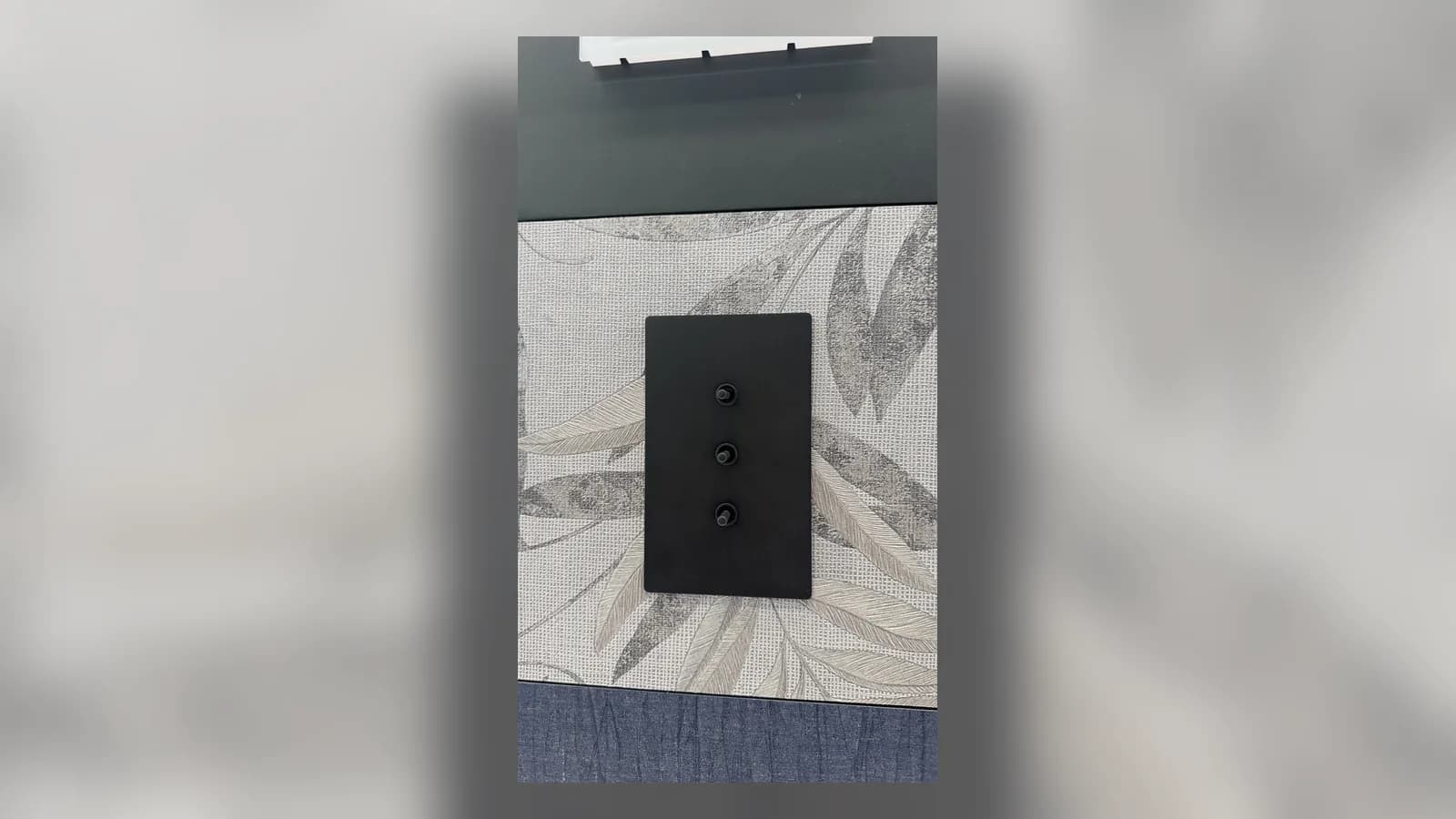
We get calls every month from Dubai homeowners who went down this route. Usually a year or two later. Usually because something has stopped working and nobody will answer the phone.
This is not an argument that everything made in China is poor. A huge amount of premium electronics, including parts of the equipment we install, is made there. The real difference is between an unbranded consumer gadget and an engineered system that is designed, installed, documented and supported by people who will still be here in ten years.
Here is what that difference looks like in practice.
1. Where does the "brain" live?
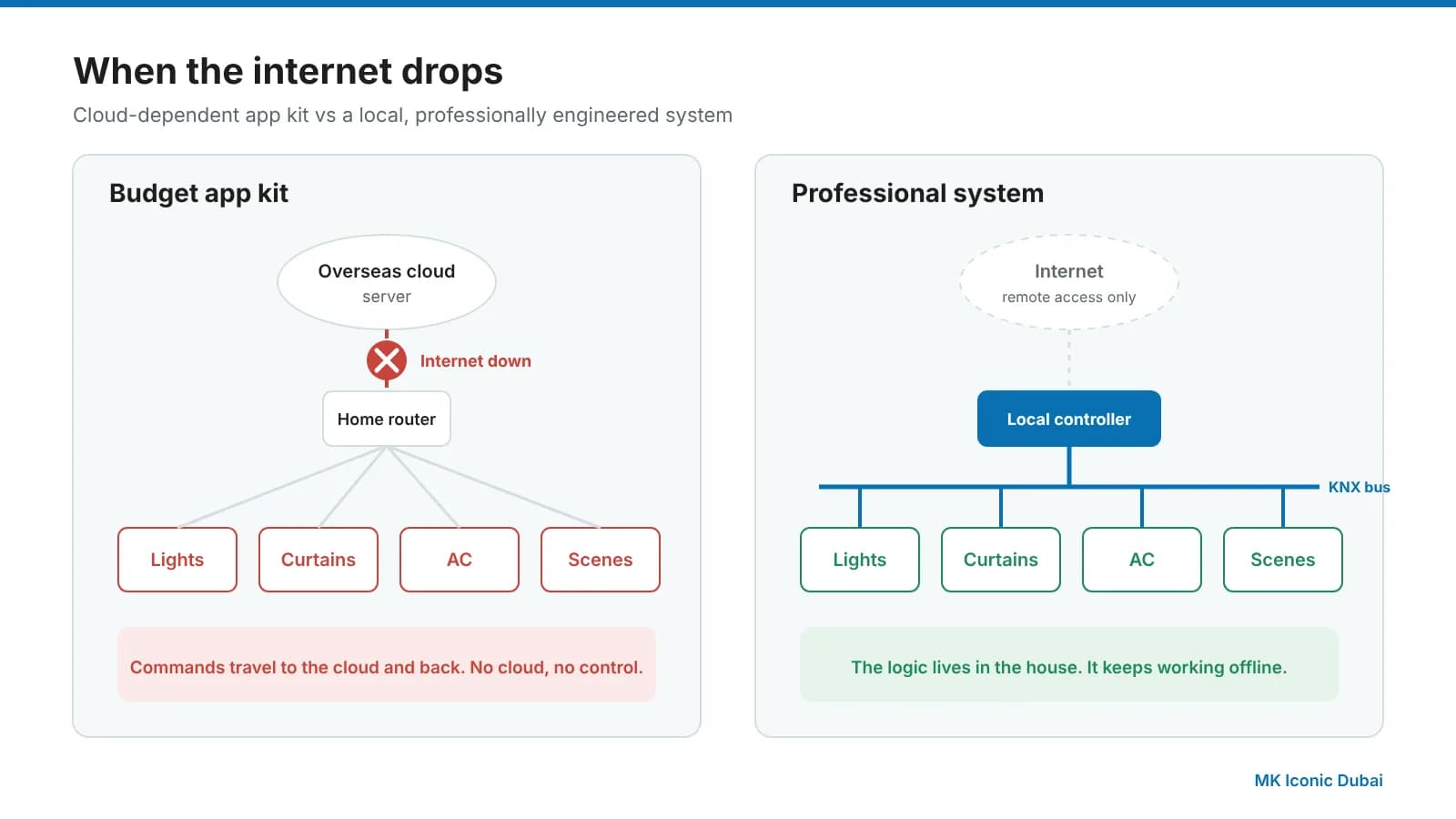
Most budget smart home products are cloud-based. When you tap a button in the app, the command travels from your phone to a server, often overseas, and back down to the switch in your wall.
That creates three problems:
- When your internet goes down, so does your house. Lights, curtains and scenes can stop responding.
- If the cloud service changes or closes, the product can stop working. You have no say in it.
- Your data and access to your home sit on a server you do not control. That includes when you are home, when you are away and, with cameras and locks, much more.
A professional system such as KNX, Lutron or Control4 runs locally. The logic lives in the house. The internet is used for remote access and updates, not for turning on the kitchen lights. If the internet drops, your home carries on as normal.
2. Wi-Fi in every switch vs a proper backbone
Many cheap kits put a Wi-Fi radio in every light switch, curtain motor and socket. In a large villa that can mean 60, 80 or 100 devices all fighting for space on the same home Wi-Fi as your phones, TVs and laptops.
Dubai villas make this worse. Thick block walls, concrete slabs and reflective glass are hard on wireless signals. The result is switches that drop offline, scenes that half work and an app full of "device unavailable" messages.
Professional systems use dedicated control networks:
- KNX uses its own wired bus cable, separate from your Wi-Fi, and is an open international standard supported by hundreds of manufacturers.
- Lutron uses its own patented Clear Connect radio, designed purely for lighting control and extremely reliable.
- Control4 combines wired and dedicated wireless control with a properly designed network behind it.
3. Mains voltage, heat and safety
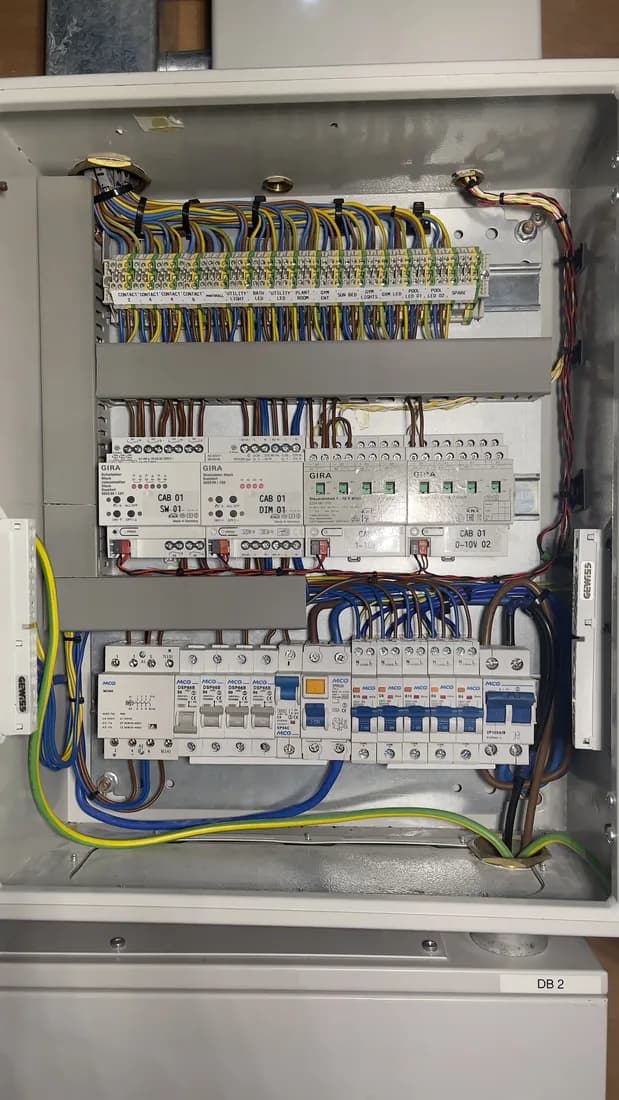
Light switches are not like plug-in gadgets. They sit in the wall on mains power, often behind joinery or in hot spots near windows. Dubai summers push wall cavities and ceiling voids well beyond what many cheap products are tested for.
Professional dimmers and actuators are designed and certified for continuous loads, with proper heat management, and are installed in distribution boards built for them. Budget glass switches often cram a power supply, a radio and a relay into a single back box with little room to breathe.
Dimming is another weak point. LED fittings need the right type of dimmer to fade smoothly. Mismatched cheap dimmers cause flicker, buzzing and failed drivers, which is why lighting quality in many "smart" villas looks worse than it did before.
4. Is it legal to sell and use here?
In the UAE, wireless equipment such as Wi-Fi, Bluetooth and IoT devices must have TDRA type approval before it is sold, and commercial imports need a customs clearance permit. In February 2026 the TDRA reminded the market that these products are treated as regulated goods, not general consumer electronics.
Products bought from overseas websites or carried in a suitcase often have none of this. That can mean shipments held at customs, no local warranty, and devices that are not certified for use on UAE frequencies. The established manufacturers we work with sell through authorised UAE distributors.
5. Who supports it in five years?
This is the question that matters most, and the one nobody asks at the start.
With a cheap kit, support usually means a chat window on a website. Firmware updates stop when the product line ends. If a switch fails after two years, the exact model may no longer exist, and the replacement may not talk to the old app. Partial replacements become full replacements.
With an established professional platform:
- Products are supported for many years, with spare parts and replacement models that remain compatible.
- There is a local, authorised dealer network trained and certified by the manufacturer.
- The programming is backed up and documented, so any certified engineer can pick it up.
6. Design and feel
Finally, there is the experience itself. A professional system is designed around how you live. Keypads are engraved with plain words like "Welcome", "Dinner" and "Goodnight". Lights fade rather than snap. Curtains, air conditioning and music respond together. Guests and staff can use it without downloading an app.
A cheap kit usually means an app for the lights, another for the curtains, another for the cameras and a voice assistant that half understands all three.
The real cost comparison
| Budget app kit | Professional system | |
|---|---|---|
| Upfront cost | Low | Higher |
| Works without internet | Often no | Yes |
| Network | Wi-Fi in every device | Dedicated wired or lighting-grade radio |
| UAE type approval | Not guaranteed | Supplied through authorised distributors |
| Lighting quality | Flicker and buzz common | Smooth, matched dimming |
| Support | Online chat, short product life | Local certified dealer, long product life |
| Expected life | A few years | 15 years and more |
The upfront difference is real. But when you count the cost of replacing failed devices, the redecorating needed to change switches and back boxes, and the cost of living with a home that never quite works, the gap narrows fast.
When a cheap kit is fine
We would never tell someone not to buy a smart plug for a lamp, or a small kit for a rented apartment they will leave next year. The problems start when budget consumer products are asked to run the lighting, climate, shading and security of a whole villa.
How we approach it at MK Iconic
We design and install KNX, Lutron, Control4 and Crestron systems across Dubai, and every member of our engineering team is a certified Lutron engineer. We are also regularly asked to rescue systems installed by others. One recent Jumeirah villa came to us with KNX programming that left the air conditioning not working at all. We reprogrammed the system and it now runs as it should.
If you already have a budget system that is letting you down, or you are deciding what to install, book a site survey and we will give you a straight answer on what to keep and what to change.
Questions we get asked
Are cheap smart home kits safe to use?
Some are fine for a lamp or a single room. The risks grow when they control mains lighting, air conditioning, locks or cameras across a whole villa, because many depend on an overseas cloud service and are rarely updated.
Do smart home devices need approval in the UAE?
Yes. Wireless devices such as Wi-Fi, Bluetooth and IoT equipment sold commercially in the UAE need TDRA type approval and a customs clearance permit. Devices bought from overseas websites may not have it.
Is everything made in China low quality?
No. Plenty of premium equipment is manufactured in China. The issue is not the factory, it is unbranded products with no local distributor, no long-term support and no engineering behind how they are installed.
Can I replace a cheap system with a professional one later?
Usually, yes. A professional system can often reuse the existing wiring, although wireless kits sometimes leave out neutrals or back boxes that a wired system needs. A site survey will tell you.